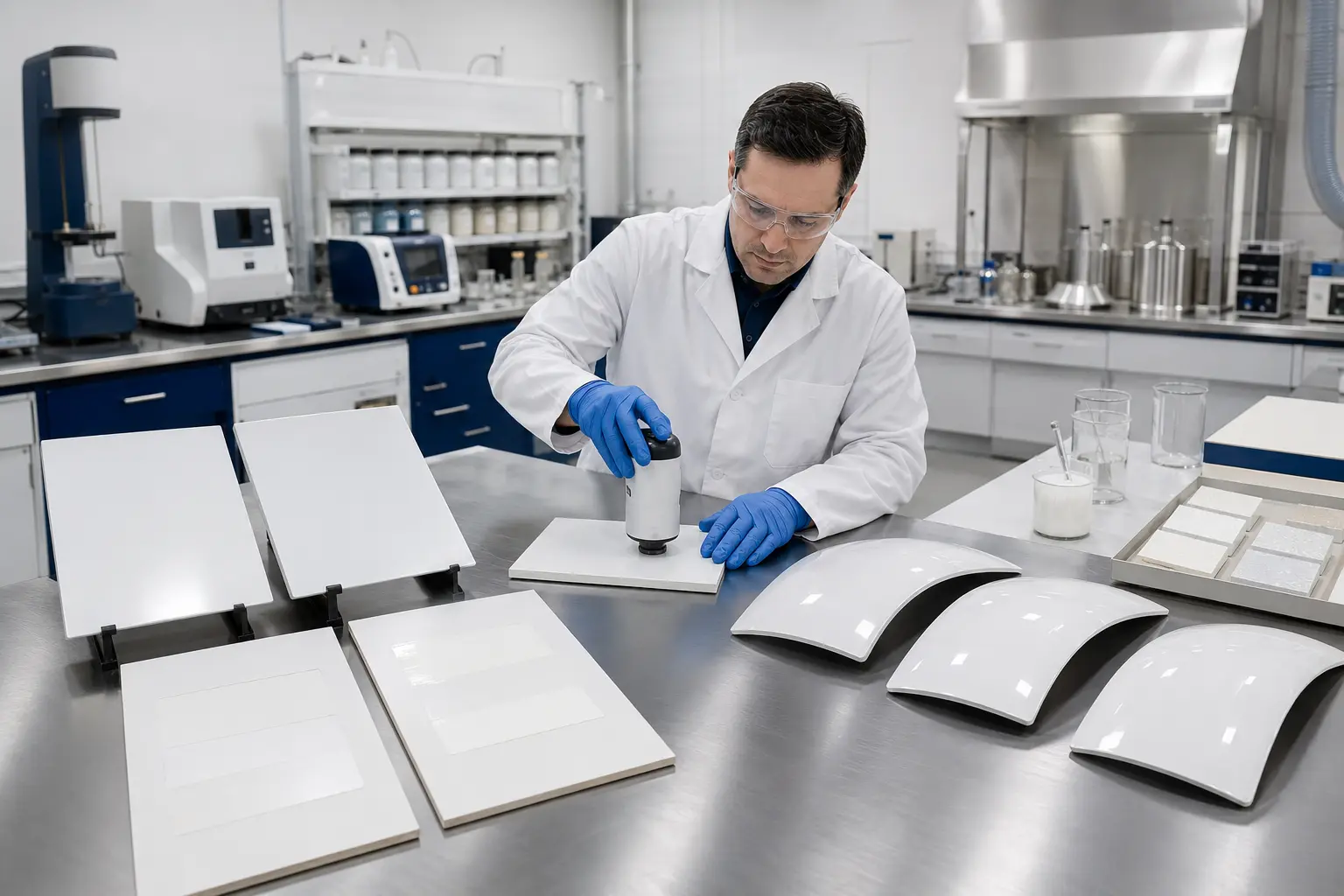
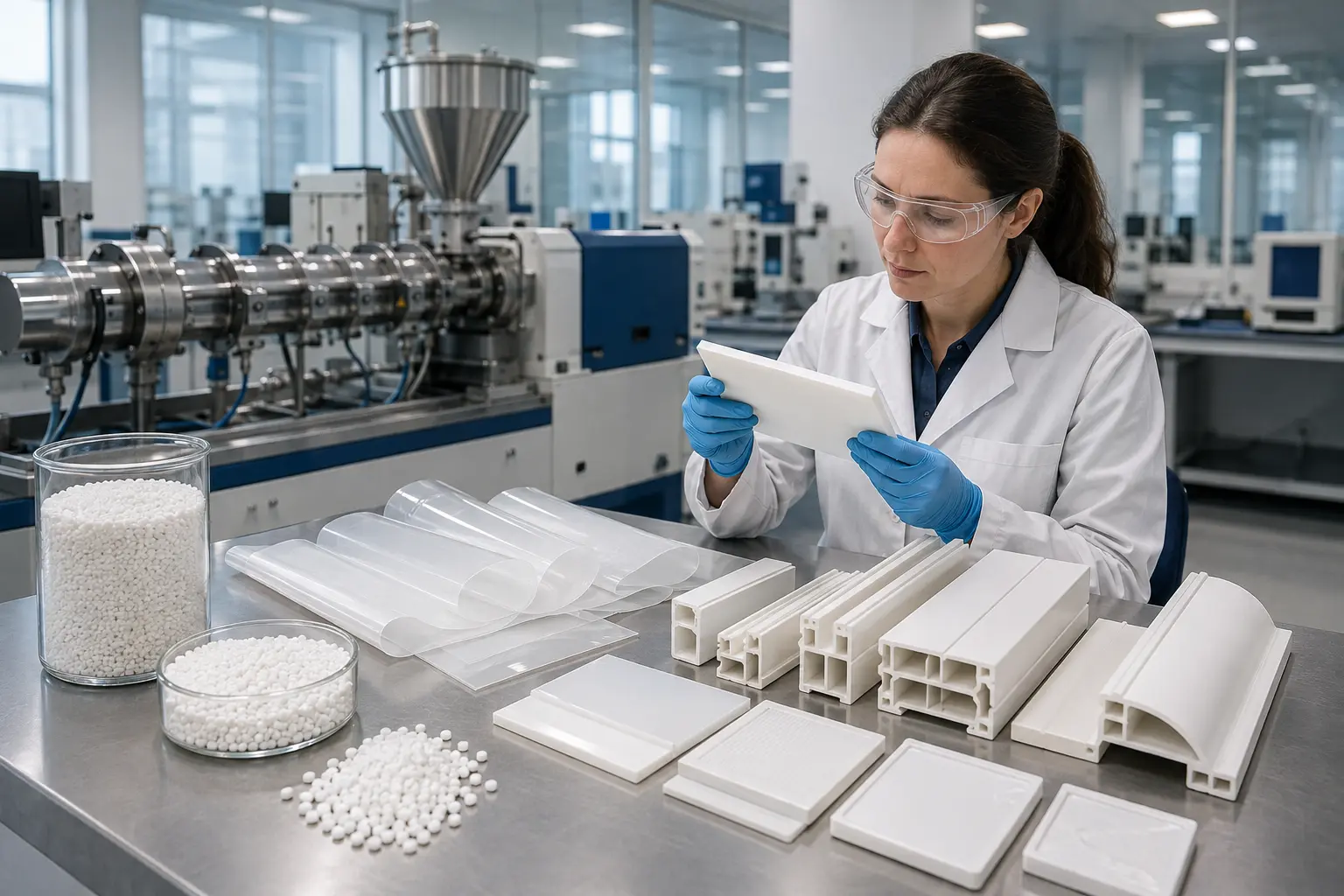
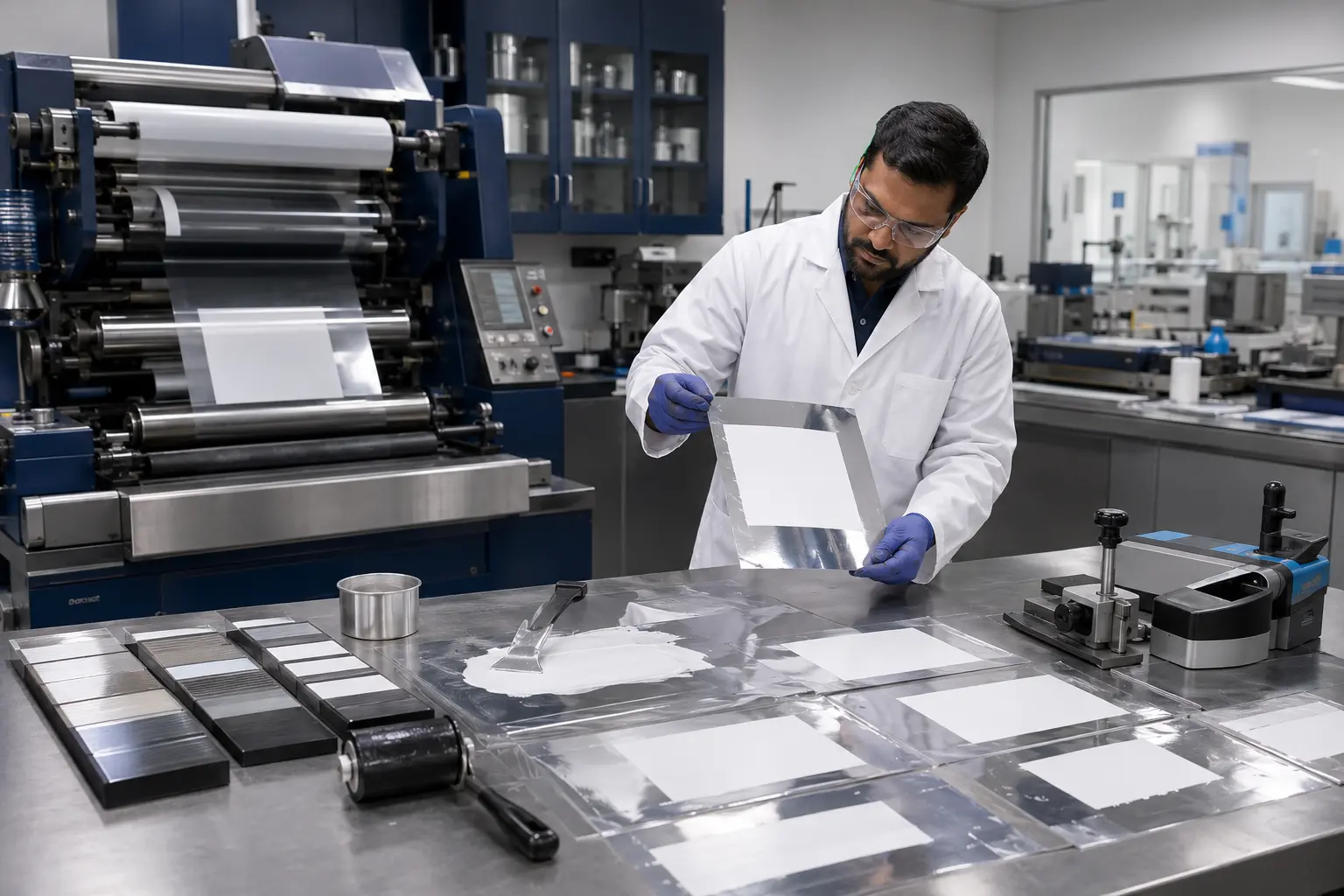
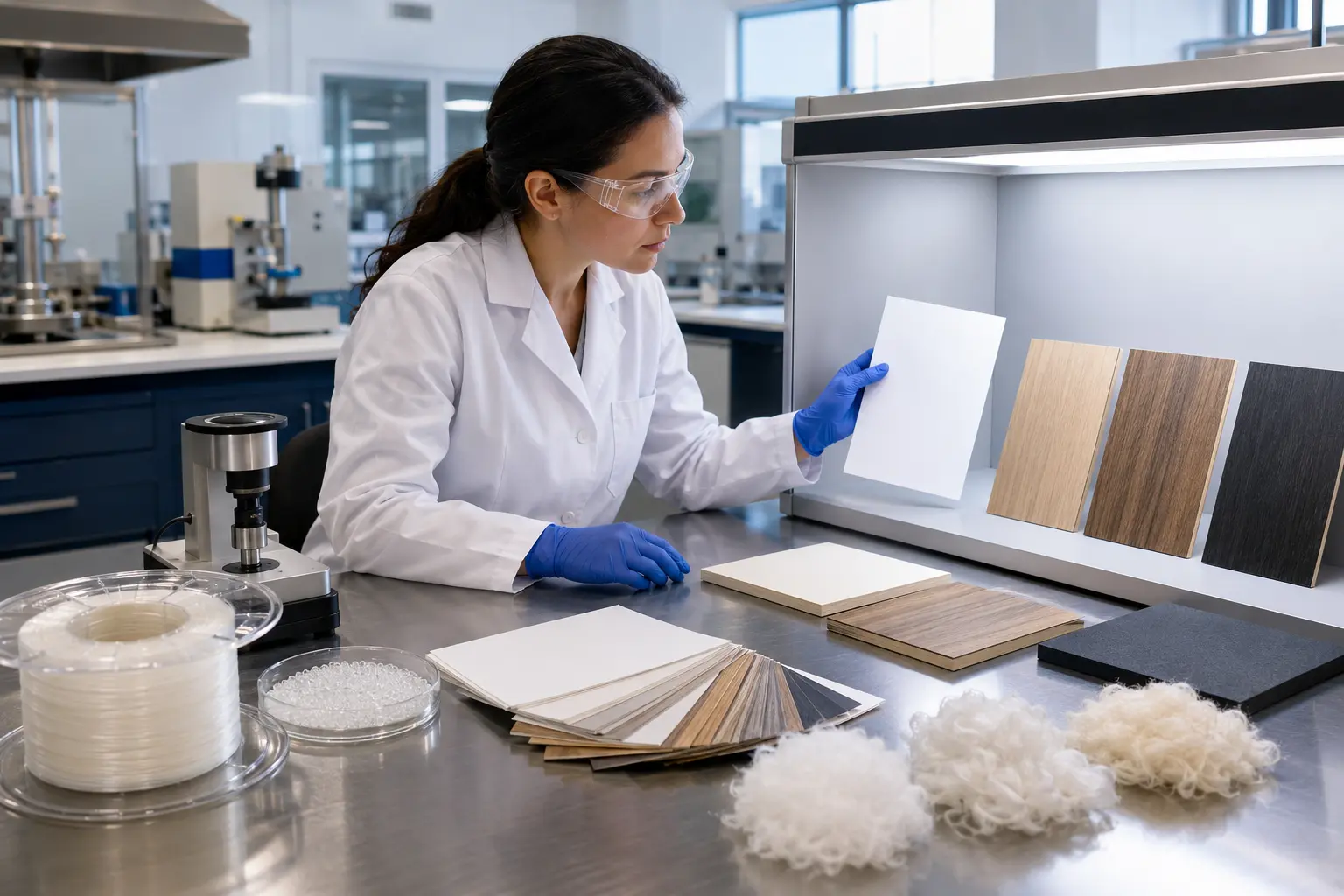
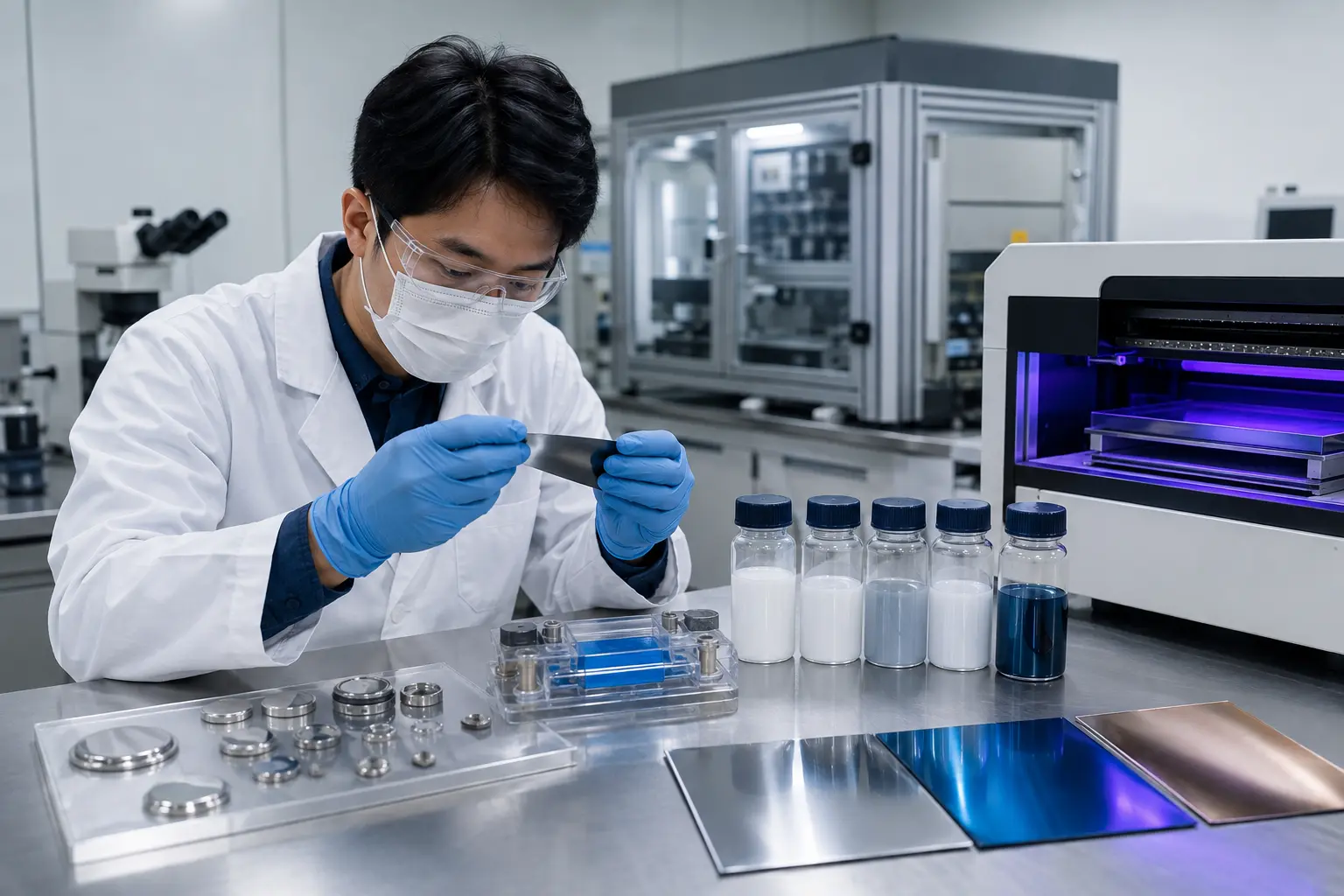
Jiuta rutile, anatase and nano titanium dioxide grades.
An application-led portfolio covering sulfate and chloride rutile, anatase and specialty TiO2 for coatings, plastics, masterbatch, printing inks, paper, laminates, fibers, PVC and document-controlled applications.
Detailed Jiuta TiO2 grade information requires verified access.
Public market information remains available. Grade lists, detailed technical positioning and direct manufacturer resources are limited to approved customers, distributors, suppliers and Henneke Holdings personnel.
Sign-in identifies the requesting account.
Business access is reviewed before protected details are released.
Approval is specific to the company, product and business purpose.
The listed grades are screening starting points. Final selection depends on the resin or polymer, process, desired undertone, weathering, abrasion, dispersion, FPV and regulatory requirements.
01
Paint & coating formulators
Architectural, industrial, automotive, powder and protective coatings
Select by process, surface treatment, undertone, optical target and exposure severity. The range includes sulfate and chloride rutile grades for waterborne and solventborne systems.
Interior and exterior architectural paints and emulsions
Industrial, protective, marine and general metal coatings
Automotive OEM, refinish and high-gloss finishes
Powder coatings and high-durability exterior systems
Selection gates
Hiding power, tint strength, whiteness and undertone
Gloss, dispersion, viscosity and oil absorption
Chalking resistance, gloss retention and weatherability
Waterborne or solventborne compatibility and production consistency
02
Masterbatch & polymer formulators
PE, PP, PVC, ABS, polycarbonate, film and engineering plastics
Match the grade to resin chemistry, TiO2 concentration, heat history, film or molded-part process and exposure conditions. Specialized options address low FPV, anti-lacing, outdoor durability and PC compatibility.
Low- and high-loading white polyolefin masterbatch
PE cast and blown film, PP parts and extrusion products
Rigid and flexible PVC film, pipe, profiles, sheet and compounds
ABS, PC and other high-temperature engineering plastics
Selection gates
FPV, dispersion, agglomerates and screen-pack pressure
Melt flow, torque, throughput and thermal stability
Whiteness, blue tone, hiding power and surface quality
Lacing, weathering, yellowing and mechanical-property retention
03
Printing ink formulators
Flexible-packaging, gravure, flexographic, reverse and lamination inks
The ink range targets whiteness, opacity, dispersion, gloss and controlled abrasion. Choose the starting grade around print method, resin, film structure, press conditions and whether the white is surface printed or reverse printed.
Gravure and flexographic white inks for flexible packaging
Reverse-print and lamination white ink systems
Surface-print, high-gloss and selected matte inks
Waterborne, solventborne and other qualified resin systems
Selection gates
Opacity at target print weight and color-over-white strength
Dispersion, viscosity, transfer and press stability
Gloss, abrasion, rub resistance and blocking
Adhesion, lamination bond and packaging-construction performance
04
Paper, laminate & fiber producers
Decorative paper, HPL/LPL, PET masterbatch and nylon fibers
Paper and laminate grades emphasize retention, hiding and lightfastness. Anatase grades extend the portfolio into PET and nylon fiber applications where dispersion, filter pressure and yellowing control are central.
HPL and LPL decorative laminates, wood-grain paper and foil
Coated and filled paper systems requiring brightness and opacity
PET masterbatch and chemical-fiber delustering
Polyamide and nylon fiber formulations
Selection gates
Retention, dispersion, hiding power and brightness
Lightfastness and sunlight resistance in decorative laminates
Filter pressure, spinnability and fiber consistency
Heat stability, chalking and resistance to yellowing
05
Advanced-material formulators
Batteries, electronics, UV protection and optical-effect coatings
Nano-rutile products require exact end-use, particle, coating, dispersion and regulatory review. The published range covers high-purity electronics and electrode uses, UV protection and angle-dependent optical effects.
Electrode foil, battery and electronic-material research
Sunscreen and UV-protection formulations subject to approval
Automotive metallic and optical-effect coatings
Exterior wall, wood and aircraft-skin effect coatings
Selection gates
Purity, particle morphology, surface area and dispersion
Electrical or electrochemical performance in the actual system
UV attenuation, transparency and formulation compatibility
Current regulatory status for the exact jurisdiction and end use
06
Regulated & general-purpose screening
General-purpose anatase and document-controlled food applications
B-101 is a broad anatase starting point for coatings, plastics, inks, paper, rubber and fibers. Jiuta publishes B-104 as a food-application grade; that manufacturer description is not a regulatory approval. No food use should proceed without current written manufacturer, legal and jurisdiction-specific confirmation.
Commercial gateAnnual demand, package, port, Incoterm, inventory plan and production qualification.
Jiuta TiO2 answers
Fast answers before you request a sample.
What Jiuta titanium dioxide technologies are represented?
Henneke Holdings supports Jiuta rutile, anatase and nano TiO2 technologies for coatings, plastics, masterbatch, inks, paper, fibers and specialty applications. Grade-level details require verified access.
Can Henneke Holdings provide TDS, SDS and samples?
Yes. Henneke Holdings coordinates documents, application screening, samples, commercial review and U.S. logistics after the company, territory and intended use are verified.
Are regulated or nano applications automatically approved?
No. Food, cosmetic, nano, medical and other regulated uses require current written documentation and jurisdiction-specific approval for the exact grade and end use.
Technical and regulatory review required
Published specifications can change and do not establish suitability, compliance or availability. Henneke Holdings will obtain current manufacturer documents and confirm territory, regulatory status, sample availability, packaging, logistics and commercial terms for each project. Food, cosmetic, nano, medical and other regulated uses require written approval for the exact grade, manufacturing site, jurisdiction and end use.
Food-use warning: Jiuta's B-104 food-grade description does not establish U.S., Canadian, European or other market approval. U.S. food-color use of TiO2 is subject to FDA conditions and specifications. Titanium dioxide E171 is not authorized as a food additive in the European Union. Confirm the current law and exact product compliance before any food trial, sale or use.
Rutile, anatase and specialty TiO2 screening for coatings, plastics, masterbatch, inks, paper, fibers and document-controlled applications.
Why request a sample
A sample answers the questions a datasheet cannot.
TiO2 optical efficiency depends on dispersion, particle spacing, resin refractive index, film thickness, pigment volume concentration and the rest of the filler package.
Surface treatment influences wetting, gloss, viscosity, weathering, lacing, melt flow and compatibility, so equal TiO2 content does not guarantee equal finished performance.
A sample lets technical and procurement teams compare cost per passing gallon, kilogram, film or molded part instead of buying on pigment price and assay alone.
What to send first
Better intake creates a faster, more useful trial.
Incumbent TiO2 grade, process route if known, loading, formula solids and pigment volume concentration
Binder or polymer, dispersant package, fillers, processing temperature and order of addition
Use one baseline, one written plan and measurable pass/fail gates.
01
Use the incumbent formula as the control and initially replace TiO2 on an equal-mass basis; do not change dispersant or filler levels in the first comparison.
02
Optimize dispersion separately only after the straight comparison identifies wetting, viscosity or process differences.
03
Measure optical properties at controlled film thickness or part geometry, then run the application-specific durability and process tests.
04
Repeat the preferred formula with a second lot and confirm it on production equipment before commercial approval.
Procurement gate
Qualify the supply package, not only the chemistry.
Confirm grade, sulfate or chloride process where relevant, surface treatment, plant, package and current specification revision.
Request lot COAs for TiO2 assay and the properties that control the application, then align acceptable ranges with the technical team.
Model cost per passing unit of production, including dispersant demand, mill time, scrap, filtration, throughput and required loading.
Review regulatory declarations, change control, traceability, minimum order, lead time, safety stock and alternate-lot qualification.
Sample ladder
Request enough material for a decision—not just one attractive result.
Stage 1 — enough for the control, candidate, dispersion optimization and duplicate optical or process testing.
Stage 2 — a separate lot for full durability, color consistency and application-specific testing.
Stage 3 — plant-trial quantity based on actual batch mass, pigment concentration, line losses and the number of validation runs.
Decision ruleApprove only after optical performance, processing, durability and total cost-in-use pass together; a brighter drawdown alone is not a complete qualification.
Methods named here are common starting references, not automatic specifications. Use the customer's current approved method, current manufacturer documents and written regulatory requirements for the exact grade, plant, formula and end use.
Direct access. Disciplined follow-through.
Start with the business opportunity—or the customer action that needs attention.
Kane leads strategy, technical-commercial development and executive decisions. Heather supports customer communication, inside sales, order coordination and day-to-day follow-up. Together, they connect specialty expertise to responsive service.
Ordinary email and WhatsApp are not secure channels and do not create a nondisclosure agreement. Please do not send formulas, customer lists, personal data, trade secrets or other sensitive information until a written NDA and an appropriate transfer method are in place.